
Introduction: The Moment the Floor Got Faster
A late shift hits peak orders, and a picker stalls at an empty tote lane. Robotics software kicks in to reroute an AMR and clear the queue before anyone even radios for help. In many sites, 20–40% of fulfillment delays hide in tiny handoffs and idle turns, not in big machines. So why do some facilities glide while others grind at the same volume? Picture the same layout, same staff, same SKU mix—yet one floor finishes an hour sooner. I’ve watched this play out when a fleet manager sat on the wrong rules and edge computing nodes weren’t tuned for local events. The result is drift in travel paths and slow picks. Small choices snowball (and budgets feel it). Are we missing a simple switch, or is there a deeper gap in how we choreograph people, bots, and software? That’s the real question. And the answer gets clear if we compare how decisions are made on the floor versus in the app. Let’s move from the rush to the rules behind the rush—then line up what good looks like next.
Under the Hood: Why Traditional Fixes Still Stall
Where do old methods break?
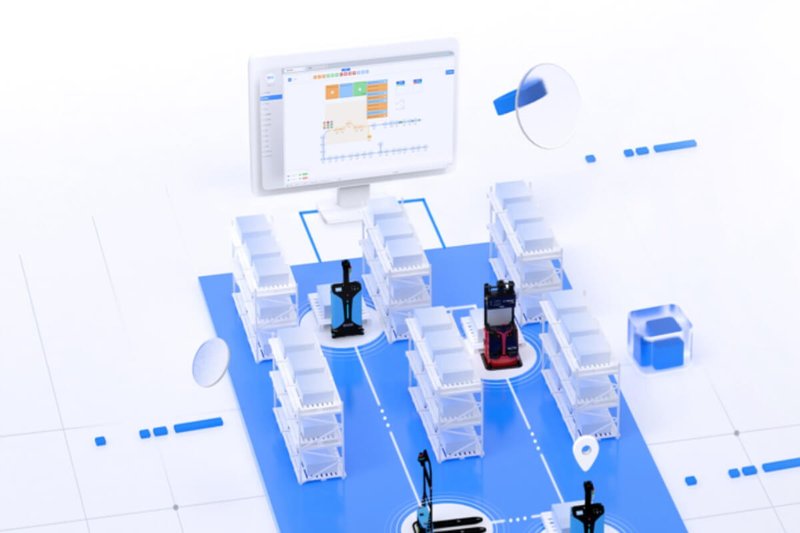
Most warehouse automation and software stacks still behave like stitched islands: a WMS pushes work, a PLC waits for a clean signal, and an AMR fleet manager tries to catch up. Look, it’s simpler than you think: the flow breaks when orchestration is timed to static slots instead of real events. If a tote jams, the queue logic holds—even as nearby paths sit open. QoS rules written for networks wind up steering people, which is backwards—funny how that works, right? And when SLAM maps drift, the fix often lands in the wrong layer, creating longer detours. These patterns mask the real cost: more touches, more buffers, and more rework to “smooth” peaks that the system caused.
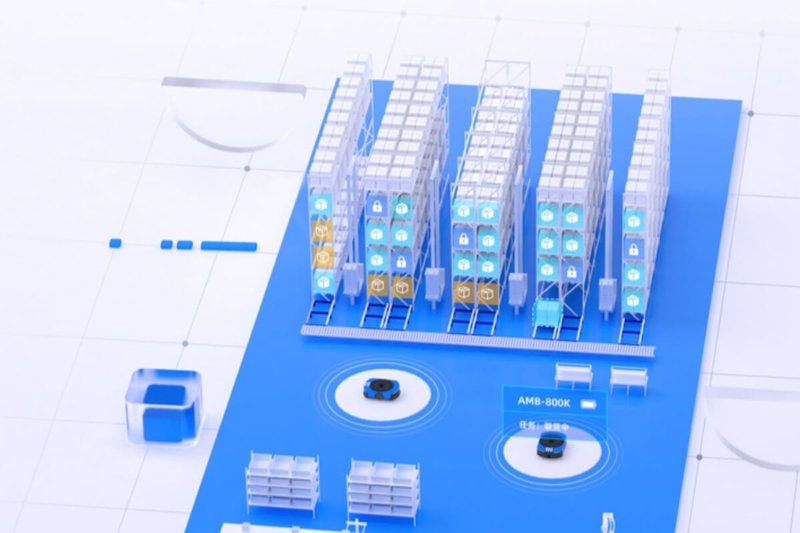
Technical debt piles up in quiet corners. Hard-coded priorities inside connectors. Batch windows that fight live demand. Edge computing nodes that react too late because they poll instead of subscribe. Each band-aid adds latency. The tell is simple: rising 95th-percentile cycle time while average time stays flat. That gap means the floor is brittle. And brittleness invites safety slowdowns, manual overrides, even extra power converters to handle start-stop surges that should not exist. If the orchestration layer can’t sense, decide, and dispatch in under a second, the floor will never feel smooth, no matter how fast the individual robots move.
Forward Look: Principles That Unlock the Next Wave
What’s Next
The next gains come from shifting control closer to the moment of work. Event-driven pipelines let tasks move when reality changes, not on a timer. Digital twin models preview congestion, then pick the next best path before a human sees it. In this setup, warehouse automation and software acts like a conductor, not a scheduler. It blends telemetry from AMRs, pick stations, and conveyors; runs quick heuristics at the edge; and uses lightweight REST APIs to update the WMS only when state actually changes. Fewer round trips. Less chatter. More flow. The comparative win isn’t raw speed; it’s stable speed under stress. That’s how you protect safety zones and still lift throughput.
Summing up what we’ve seen: rules bound to fixed slots create brittleness; layers that subscribe to events stay fluid; and orchestration that lives near the work trims both tails of cycle time. To pick a path with confidence, use three checks that you can measure on day one: 1) Orchestration latency under load (sub-second from sensor event to dispatch); 2) Heterogeneity tolerance (mix of AMRs, PLCs, and human tasks without custom glue code); 3) Flow stability at the 95th percentile (not just the average) during planned peaks. Keep the tone practical, keep the data honest, and let small pilots tell the story—and yes, let humans pause without collapsing the queue. For teams mapping options and benchmarking against real floors, a steady reference is SEER Robotics.