
In today’s digital world, documents are often shared in PDF format. While PDFs are great for preserving layout and design, they are not always easy to edit. This is where a PDF to Text Converter becomes extremely useful. A PDF to Text Converter helps transform static PDF files, including scanned documents, into editable and searchable text.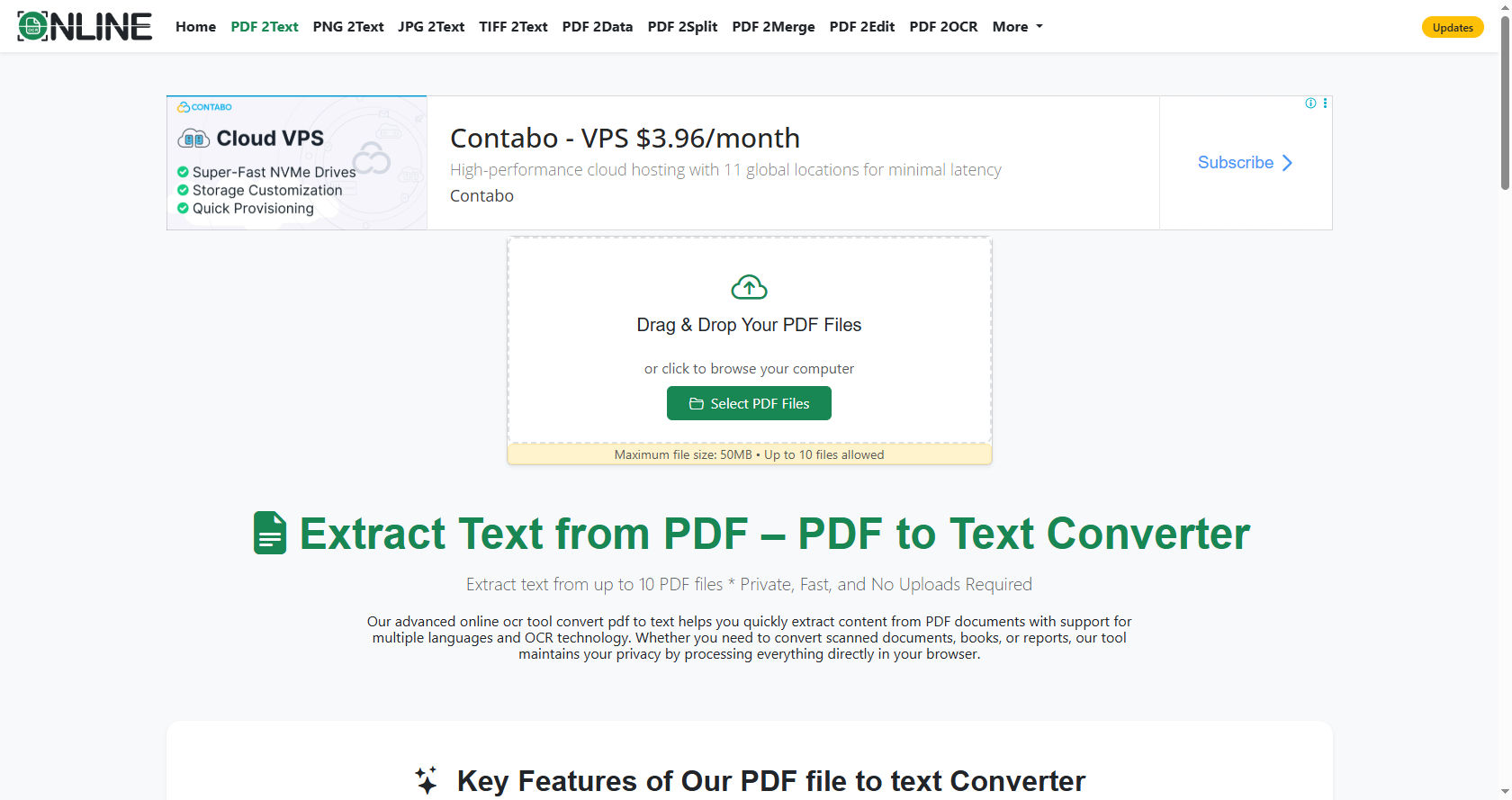
Many students, teachers, office workers, and researchers rely on a PDF to Text Converter to save time and effort. Instead of retyping long documents, the tool automatically extracts text within seconds.
When the PDF is scanned, the process becomes more advanced, but a powerful PDF to Text Converter can still handle it effectively.
In this comprehensive guide, you will learn how a PDF to Text Converter works, especially for scanned files, why it is important, its features, benefits, and how to choose the right tool.
What Is a PDF File?
A PDF (Portable Document Format) is a file format developed to present documents consistently across different devices and operating systems. PDFs keep fonts, images, and layouts fixed.
There are two main types of PDFs:
-
Text-based PDFs
-
Scanned PDFs (image-based PDFs)
A PDF to Text Converter works differently depending on which type of file you are using.
Difference Between Text-Based and Scanned PDFs
Text-Based PDFs
Text-based PDFs already contain selectable text. If you can highlight and copy words from the document, it means the text is embedded in the file.
A PDF to Text Converter can easily extract this text because it is already stored digitally inside the document.
Scanned PDFs
Scanned PDFs are created by scanning physical papers. These files are basically images of text, not real text. You cannot highlight or copy words directly.
In this case, a PDF to Text Converter must use Optical Character Recognition (OCR) technology to detect and convert the text from images into editable form.
What Is a PDF to Text Converter?
A PDF to Text Converter is a software tool or online service that extracts text content from a PDF file and converts it into plain text format, such as .txt or editable document files.
When dealing with scanned files, a PDF to Text Converter uses OCR technology to read characters from images. It analyzes shapes and patterns that look like letters and transforms them into digital text.
This process allows users to edit, search, and reuse content without manually typing everything again.
How OCR Technology Works in a PDF to Text Converter
OCR stands for Optical Character Recognition. It is the main technology that makes a PDF to Text Converter effective for scanned files.
Let’s break down how it works step by step.
Image Preprocessing
When you upload a scanned PDF into a PDF to Text Converter, the tool first processes the image.
It adjusts brightness and contrast.
It removes noise or marks.
It corrects skewed or tilted pages.
This preparation improves accuracy.
Text Detection
Next, the PDF to Text Converter identifies areas that contain text. It separates text blocks from images, tables, or background patterns.
The system detects lines, words, and individual characters.
Character Recognition
The tool compares detected characters with stored patterns in its database. For example, it matches shapes to letters like A, B, or C.
Advanced AI-based PDF to Text Converter systems use machine learning to improve recognition accuracy over time.
Text Reconstruction
After identifying characters, the PDF to Text Converter arranges them into words and sentences.
It maintains paragraph structure when possible.
It tries to preserve formatting depending on the output settings.
Finally, the tool produces an editable text file.
Why Use a PDF to Text Converter for Scanned Files?
There are many reasons why people use a PDF to Text Converter.
Saves Time
Manually typing content from a scanned document can take hours. A PDF to Text Converter completes the task in seconds.
Improves Productivity
Students can quickly extract notes.
Researchers can collect data easily.
Office workers can reuse contracts and reports.
A PDF to Text Converter makes document management faster.
Enables Editing
Scanned PDFs are not editable. A PDF to Text Converter transforms them into editable text, allowing changes and corrections.
Makes Text Searchable
Once converted, users can search for keywords within the document. This is especially helpful for long files.
Step-by-Step Guide: How to Use a PDF to Text Converter
Using a PDF to Text Converter is simple. Here is a basic guide.
Step 1: Choose the Tool
Select a reliable PDF to Text Converter. You can choose online tools or desktop software.
Step 2: Upload the PDF File
Click the upload button and select your scanned file.
Step 3: Select OCR Option
If your document is scanned, make sure OCR is enabled in the PDF to Text Converter settings.
Step 4: Start Conversion
Click the convert button. The PDF to Text Converter will begin analyzing the file.
Step 5: Download the Text File
After processing, download the converted text document.
Review it for any minor errors, especially if the scan quality was low.
Features to Look for in a PDF to Text Converter
Not all tools are equal. A good PDF to Text Converter should have the following features.
High OCR Accuracy
Accuracy is the most important factor. A strong PDF to Text Converter should correctly recognize letters, numbers, and symbols.
Multi-Language Support
Some documents contain different languages. A quality PDF to Text Converter should support multiple languages.
Batch Conversion
If you have many files, batch processing saves time. A PDF to Text Converter with batch support allows multiple files to be converted at once.
Security and Privacy
Documents may contain sensitive information. A secure PDF to Text Converter ensures your files are protected.
Format Options
Some tools allow exporting into different formats such as TXT, DOCX, or RTF. A flexible PDF to Text Converter gives more options.
Common Challenges in Converting Scanned PDFs
Even the best PDF to Text Converter may face some challenges.
Poor Image Quality
Blurry or low-resolution scans reduce accuracy. A PDF to Text Converter performs better with clear scans.
Handwritten Text
Most tools struggle with handwriting. Advanced AI-powered PDF to Text Converter solutions may handle it better, but results vary.
Complex Layouts
Tables, columns, and graphics can confuse the system. A reliable PDF to Text Converter should detect structure properly.
Tips to Improve Conversion Accuracy
Here are simple ways to improve results when using a PDF to Text Converter.
-
Use high-resolution scans (300 DPI or higher).
-
Ensure the page is straight and not tilted.
-
Avoid shadows or dark backgrounds.
-
Choose the correct language setting in your PDF to Text Converter.
These small steps can greatly improve accuracy.
Online vs Offline PDF to Text Converter Tools
There are two main types of tools available.
Online Tools
An online PDF to Text Converter works through a web browser.
Advantages:
-
No installation required
-
Accessible from any device
-
Quick and easy to use
Disadvantages:
-
Requires internet connection
-
Possible privacy concerns
Offline Software
Desktop software is installed on your computer.
Advantages:
-
Works without internet
-
Better security for sensitive files
-
Often more advanced features
Disadvantages:
-
May require payment
-
Takes storage space
Choosing the right PDF to Text Converter depends on your needs.
Who Can Benefit from a PDF to Text Converter?
Many groups benefit from this tool.
Students
Students use a PDF to Text Converter to extract notes, study materials, and assignments.
Teachers
Teachers convert scanned worksheets into editable text for reuse.
Businesses
Companies use a PDF to Text Converter to digitize contracts, invoices, and reports.
Researchers
Researchers convert old printed articles into searchable digital text using a PDF to Text Converter.
The Role of Artificial Intelligence in Modern PDF to Text Converter Tools
Modern tools use artificial intelligence to improve performance.
AI allows a PDF to Text Converter to:
-
Learn from past corrections
-
Recognize different fonts
-
Detect complex layouts
-
Improve multilingual accuracy
Machine learning models continue to enhance how a PDF to Text Converter processes scanned files.
Security Considerations When Using a PDF to Text Converter
When uploading documents, always consider security.
Choose a PDF to Text Converter that:
-
Uses encryption
-
Deletes files after processing
-
Has a clear privacy policy
For highly confidential files, consider offline PDF to Text Converter software.
Comparing Free and Paid PDF to Text Converter Options
Free tools are helpful for simple tasks. However, they may have limitations such as:
-
File size restrictions
-
Limited OCR accuracy
-
Watermarks
Paid PDF to Text Converter solutions usually offer:
-
Higher accuracy
-
Faster processing
-
Customer support
-
Advanced features
If you regularly convert documents, investing in a quality PDF to Text Converter can be worthwhile.
Real-Life Example of Using a PDF to Text Converter
Imagine a student receives scanned notes from a teacher. The student needs to summarize key points.
Instead of typing everything manually, the student uploads the file into a PDF to Text Converter.
Within seconds, the scanned pages are converted into editable text. The student copies the content into a document, highlights important sections, and saves hours of effort.
This simple example shows how a PDF to Text Converter makes academic life easier.
Limitations of a PDF to Text Converter
While helpful, no tool is perfect.
A PDF to Text Converter may:
-
Make minor spelling errors
-
Misread unusual fonts
-
Struggle with damaged scans
That is why reviewing the final output is important.
Future of PDF to Text Converter Technology
Technology continues to evolve.
Future PDF to Text Converter tools may include:
-
Better handwriting recognition
-
Real-time mobile scanning
-
Voice-integrated editing
-
Improved layout preservation
As artificial intelligence improves, the PDF to Text Converter will become even more accurate and user-friendly.
Best Practices for Long-Term Document Management
If you regularly handle scanned files, consider these tips:
-
Store original PDFs safely.
-
Always verify text after using a PDF to Text Converter.
-
Organize converted files clearly.
-
Backup important documents.
Using a PDF to Text Converter is just one part of good digital management.
Conclusion
A PDF to Text Converter is a powerful and practical tool in today’s digital environment. Whether you are a student, teacher, professional, or researcher, converting scanned PDFs into editable text can save time and increase efficiency.
Scanned files are image-based, which means they require OCR technology for text extraction. A PDF to Text Converter uses image preprocessing, character recognition, and intelligent reconstruction to turn pictures of words into real, editable text.
The quality of the result depends on several factors, including scan clarity, tool accuracy, and correct settings. By choosing a reliable PDF to Text Converter and following best practices, users can achieve highly accurate conversions.
While there are challenges such as poor image quality or complex layouts, modern AI-powered tools continue to improve performance. Free versions may work for occasional tasks, but paid options often provide better accuracy and advanced features.
In the future, the PDF to Text Converter will likely become even more intelligent, supporting handwriting recognition and advanced formatting detection. As digital documents continue to grow in importance, this tool will remain essential.
In simple words, a PDF to Text Converter transforms static scanned documents into useful, editable text. It bridges the gap between paper and digital content. Understanding how it works helps users make better choices and get the best results from their documents.