
The modern industrial world is strongly shaped by automation, and one of the best examples of this transformation can be seen in the packaging industry. When businesses evaluate the cost of equipment, the Packaging machine price often becomes the first and most important consideration. 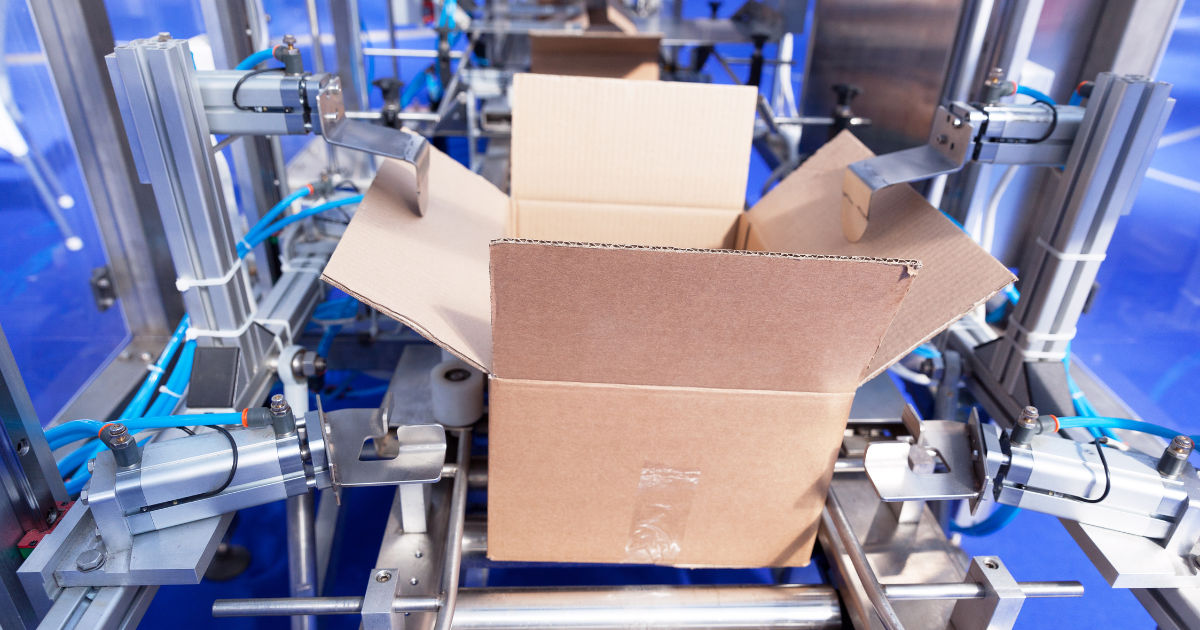
In today’s competitive market, companies want faster production, better accuracy, and lower labor costs. This demand pushes manufacturers to design machines with different levels of automation, and each level directly impacts the Packaging machine price. A fully manual system may be affordable, while a highly automated system can cost several times more due to advanced technology.
This guide explains in detail how automation affects pricing, what factors influence costs, and how businesses can make smart decisions when investing in packaging equipment. By the end, you will clearly understand why the Packaging machine price varies so widely and how automation shapes its value in the long run.
Packaging Automation
Automation in packaging refers to the use of machines and control systems that reduce or eliminate human involvement in packaging tasks. These tasks include filling, sealing, labeling, wrapping, and counting products.
The level of automation directly influences the Packaging machine price because more advanced systems require sensors, PLC controls, robotics, and precision engineering.
There are generally three categories of automation:
- Manual packaging machines
- Semi-automatic packaging machines
- Fully automatic packaging machines
Each category has a different impact on production speed, labor requirement, and most importantly, the Packaging machine price.
Automation is not just about reducing human effort. It is about improving consistency, reducing waste, and increasing production output. As automation increases, so does the complexity of the machine, which leads to a higher Packaging machine price.
Manual Packaging Machines and Their Cost Structure
Manual packaging machines are the simplest form of packaging equipment. In these systems, human operators perform most of the tasks, such as placing products, filling materials, and sealing packages.
Because of their simple design, the Packaging machine price of manual systems is relatively low. These machines usually have basic mechanical components and require minimal electronic systems.
Key features of manual machines include:
- Low initial investment
- Simple operation
- Minimal maintenance
- Limited production capacity
However, the low Packaging machine price comes with limitations. Manual systems are slower, less consistent, and heavily dependent on labor. In regions where labor is expensive or inconsistent, these machines may not be ideal despite their affordability.
Businesses often choose manual machines when starting small-scale production or when budget constraints are strict. Even then, they must consider that the long-term efficiency may not match more automated systems, even if the initial Packaging machine price is attractive.
Semi-Automatic Packaging Machines and Balanced Pricing
Semi-automatic machines represent a middle ground between manual and fully automated systems. In these machines, some tasks are automated while others still require human involvement.
For example, a machine may automatically fill products but require manual placement of containers or sealing.
The Packaging machine price of semi-automatic systems is higher than manual machines but significantly lower than fully automatic ones. This balance makes them a popular choice for medium-sized businesses.
Advantages of semi-automatic machines include:
- Moderate Packaging machine price
- Improved efficiency compared to manual systems
- Reduced labor dependency
- Better consistency in output
However, the level of automation is still limited. As production demands grow, businesses may eventually need to upgrade, which means the initial Packaging machine price must be considered alongside future scalability.
Semi-automatic machines are often chosen by companies that want to improve productivity without investing in high-end automation immediately.
Fully Automatic Machines and High-End Pricing
Fully automatic packaging machines represent the highest level of automation. These systems perform all packaging tasks with minimal or no human intervention.
They include advanced technologies such as:
- Programmable logic controllers (PLC)
- Sensors and detection systems
- Robotics and automated arms
- High-speed conveyor systems
Because of these advanced features, the Packaging machine price for fully automatic systems is significantly higher than other types.
However, the higher cost brings major benefits:
- Extremely fast production speeds
- High accuracy and consistency
- Reduced labor costs
- 24/7 operational capability
In industries like food processing, pharmaceuticals, and large-scale manufacturing, companies often justify the high Packaging machine price due to long-term savings and productivity gains.
While the initial investment is high, the return on investment is usually strong. Businesses must evaluate whether the increased Packaging machine price aligns with their production goals and market demand.
How Automation Directly Impacts Packaging Machine Price
Automation is the single most important factor influencing the Packaging machine price. As automation increases, machines become more complex, requiring advanced components and engineering.
Here are key ways automation affects pricing:
Advanced Technology Integration
Higher automation requires sensors, digital controls, and software systems. These components increase the Packaging machine price significantly because they require precision manufacturing and specialized expertise.
Reduced Human Labor Dependency
Machines that reduce labor needs are more valuable. The Packaging machine price increases because buyers are essentially paying for long-term labor savings.
Speed and Efficiency Enhancements
Faster machines require stronger motors, better cooling systems, and advanced synchronization. These improvements directly increase the Packaging machine price.
Customization and Flexibility
Highly automated machines are often customized for specific industries. Custom design increases engineering costs, which raises the Packaging machine price further.
Maintenance and Support Systems
Advanced machines come with monitoring systems, diagnostics, and smart maintenance alerts. These features also contribute to a higher Packaging machine price.
In simple terms, the more intelligent and independent the machine becomes, the higher the Packaging machine price will be.
Key Cost Components of Packaging Machines
To understand pricing better, it is important to break down the components that influence the Packaging machine price.
Mechanical Structure
The frame, conveyor belts, and moving parts form the foundation of the machine. Stronger materials increase durability but also raise the Packaging machine price.
Electrical Systems
Wiring, control panels, and power systems are essential for operation. More advanced electrical systems increase the Packaging machine price.
Automation Software
Software plays a major role in modern machines. Programming and control systems significantly impact the Packaging machine price due to development complexity.
Sensors and Robotics
These components improve accuracy and speed. Their inclusion is one of the main reasons for higher Packaging machine price levels.
Installation and Training
Many suppliers include installation and operator training in the total Packaging machine price, especially for advanced systems.
Industry Applications and Price Differences
Different industries require different levels of automation, which affects the Packaging machine price.
Food Industry
Food packaging requires hygiene, speed, and accuracy. Automated systems are common, leading to a higher Packaging machine price.
Pharmaceutical Industry
Precision is critical in this sector. Machines must meet strict regulations, increasing the Packaging machine price due to compliance requirements.
Cosmetic Industry
Flexibility and branding are important. Custom packaging designs raise the Packaging machine price.
Industrial Goods
Heavy-duty packaging requires strong machines. The Packaging machine price depends on load capacity and durability.
Each industry has unique requirements that directly influence the Packaging machine price.
Return on Investment and Long-Term Value
While automation increases the Packaging machine price, it often leads to long-term savings.
Key benefits include:
- Reduced labor expenses
- Lower error rates
- Higher production output
- Less material waste
Over time, businesses recover the higher Packaging machine price through improved efficiency and reduced operational costs.
For example, a fully automatic machine may have a high Packaging machine price, but it can replace multiple workers and operate continuously without breaks.
This makes ROI a critical factor when evaluating automation levels and the Packaging machine price.
Choosing the Right Level of Automation
Selecting the right machine depends on budget, production needs, and future growth plans.
Businesses should consider:
- Current production volume
- Available budget and Packaging machine price range
- Labor availability
- Future expansion plans
A low Packaging machine price may seem attractive, but it may not support future growth. On the other hand, a high Packaging machine price may be unnecessary for small operations.
Balancing current needs with long-term goals is essential when evaluating the Packaging machine price.
Future Trends in Packaging Automation
The future of packaging is moving toward smarter and more connected systems. These trends will continue to influence the Packaging machine price.
Artificial Intelligence Integration
AI will improve decision-making and predictive maintenance, increasing the Packaging machine price but also boosting efficiency.
IoT Connectivity
Machines connected to networks allow real-time monitoring. This increases the Packaging machine price due to added technology.
Sustainable Packaging Systems
Eco-friendly machines may require advanced material handling systems, affecting the Packaging machine price.
Fully Autonomous Production Lines
Future factories may use fully self-operating systems, significantly raising the Packaging machine price while maximizing efficiency.
As technology advances, the Packaging machine price will continue to evolve with new innovations.
Conclusion
Automation has a direct and powerful impact on the cost of packaging equipment. As we have seen throughout this guide, the Packaging machine price varies widely depending on whether a machine is manual, semi-automatic, or fully automatic.
Manual machines offer the lowest Packaging machine price, but they lack speed and efficiency. Semi-automatic systems provide a balanced Packaging machine price with improved productivity. Fully automatic machines come with a high Packaging machine price, but they deliver maximum efficiency, accuracy, and long-term savings.
Ultimately, businesses must carefully evaluate their production needs, budget, and future growth plans before investing. While a higher Packaging machine price may seem challenging at first, it often results in better profitability over time due to reduced labor costs and increased output.
Automation is not just a cost factor—it is an investment in future growth. Understanding how automation affects the Packaging machine price helps businesses make smarter, more informed decisions that support long-term success in a competitive market.