
When it comes to weddings, nothing defines a bride's elegance and charm more than her outfit. Pakistani bridal wear has always been a perfect blend of tradition, culture, and modern fashion.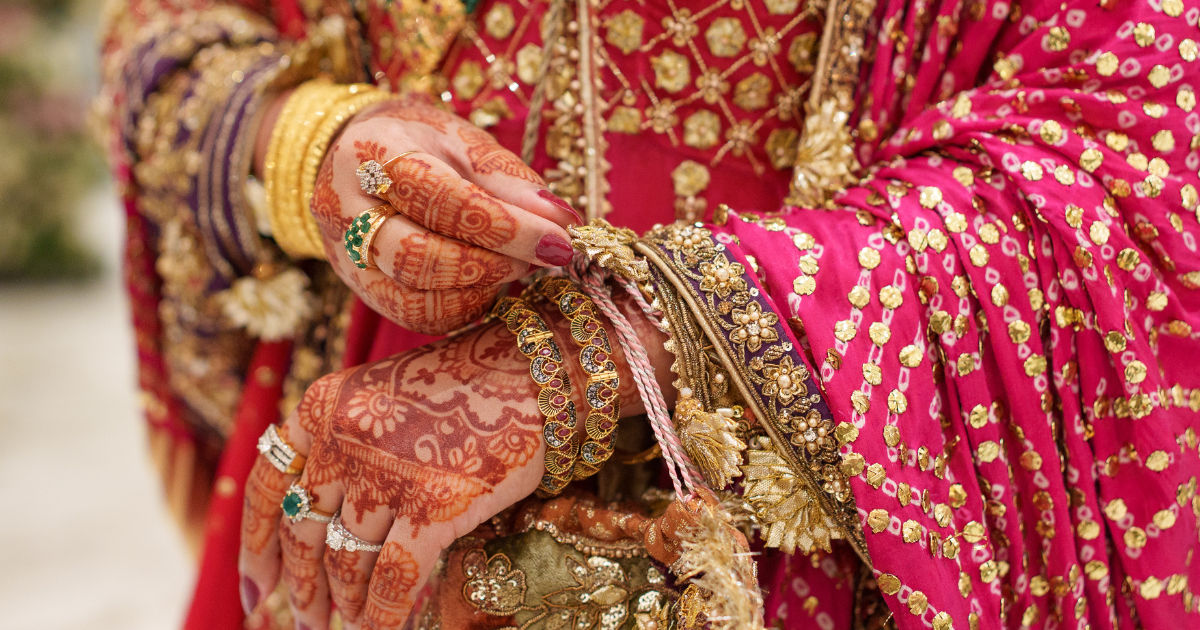
From intricate embroidery to luxurious fabrics, the world of Pakistani bridal wear offers something for every bride, whether she prefers a traditional look or a contemporary style.
In this guide, we will explore the best Pakistani bridal wear styles, the fabrics used, popular colors, and tips to help brides choose the perfect attire for their special day.
Traditional Pakistani Bridal Wear
Traditional Pakistani bridal wear is all about elegance, heritage, and detailed craftsmanship. These outfits are deeply rooted in the culture and often feature elaborate embroidery, handwork, and luxurious fabrics.
Lehenga
The lehenga is one of the most popular choices for Pakistani brides. It is a three-piece ensemble consisting of a long skirt, a blouse (or choli), and a dupatta. Modern lehengas come in a variety of fabrics such as silk, chiffon, georgette, and velvet. Bridal lehengas are known for their heavy embellishments like zari work, sequins, beads, and stone detailing.
Lehengas allow brides to showcase their personal style. For instance, A-line lehengas provide a classic silhouette, while mermaid or fishtail lehengas give a more contemporary, figure-hugging look. Pakistani brides often pair their lehengas with matching jewelry, including statement necklaces, earrings, and maang tikka.
Saree
Although less common than lehengas, sarees are still a timeless option in Pakistani bridal wear. They exude grace and sophistication, especially when paired with heavy embroidery or embellished borders. Bridal sarees in Pakistan often feature fabrics like silk, net, and chiffon, adorned with zari or thread work. Draping styles can vary from region to region, allowing each bride to add her personal touch.
Sharara and Gharara
Sharara and gharara outfits are iconic in Pakistani bridal fashion. These two-piece ensembles consist of wide-legged pants paired with a long, embellished kurta and a dupatta. Shararas and ghararas are perfect for brides who want to combine traditional attire with comfort.
Ghararas, with their flared pants, create a regal appearance, while shararas, which are slightly shorter in length, offer ease of movement. Both styles are often heavily decorated with sequins, beads, and thread embroidery. They are particularly popular in Muslim weddings, as they maintain modesty without compromising style.
Anarkali
The Anarkali suit is another popular choice in Pakistani bridal wear. It features a long, frock-style top with a fitted bodice and a flared bottom, paired with churidar pants or leggings. Bridal Anarkalis are usually made of luxurious fabrics like velvet or chiffon and feature detailed embellishments. This style is perfect for brides who want a traditional yet comfortable outfit that is elegant and regal.
Modern Pakistani Bridal Wear Styles
While traditional attire remains popular, modern Pakistani bridal wear focuses on contemporary designs, fusion styles, and lighter embellishments. Modern brides often opt for outfits that combine the elegance of tradition with the comfort of modern fashion.
Contemporary Lehenga Designs
Modern lehengas often feature asymmetrical cuts, minimal embroidery, or pastel colors, moving away from the heavy traditional designs. Fusion lehengas may incorporate western-style blouses or crop tops, giving a chic and youthful look. Modern bridal wear designers experiment with fabrics, layering techniques, and innovative draping styles, making Pakistani bridal wear versatile for different wedding themes.
Long Flowing Dresses
Long flowing dresses or floor-length gowns are becoming increasingly popular among Pakistani brides. These dresses often have an A-line or mermaid cut and may feature light embroidery or lace detailing. This style is especially favored for evening weddings or receptions, as it combines elegance with modern sophistication.
Indo-Western Fusion
The Indo-Western fusion style blends traditional Pakistani elements with western fashion. Examples include lehenga skirts paired with crop tops, high-low kurtas, or jackets over dresses. This style is ideal for brides who want to break away from conventional bridal wear but still maintain a cultural connection. Fusion outfits often feature modern cuts, pastel shades, and lighter embroidery, providing a fresh and trendy look.
Fabrics Used in Pakistani Bridal Wear
The choice of fabric is crucial in Pakistani bridal wear, as it affects the overall appearance and comfort of the outfit. Here are some of the most popular fabrics:
Silk
Silk is a classic fabric in Pakistani bridal wear. It is smooth, shiny, and luxurious, making it perfect for lehengas and sarees. Silk bridal wear often features zari embroidery or hand-stitched patterns for an opulent look.
Velvet
Velvet is a rich and heavy fabric, ideal for winter weddings. Velvet bridal wear is often paired with gold or silver embroidery to enhance its royal appeal. It is commonly used for lehengas, ghararas, and Anarkalis.
Chiffon and Georgette
Chiffon and georgette are lightweight fabrics, perfect for summer weddings or brides who prefer comfort. These fabrics drape beautifully and are often used for flowy lehengas, sarees, and Anarkalis. Embellishments on chiffon or georgette are usually lighter, ensuring a graceful appearance without weighing the outfit down.
Net and Organza
Net and organza fabrics are used for creating delicate, layered bridal wear. These fabrics are often embellished with embroidery, sequins, or stones. They add a soft, ethereal touch to bridal lehengas and gowns.
Popular Colors in Pakistani Bridal Wear
Color is one of the most important aspects of bridal wear. While red has been the traditional bridal color in Pakistan for decades, modern brides are experimenting with various shades and tones.
Red and Maroon
Red and maroon are traditional bridal colors symbolizing love, prosperity, and joy. These colors remain a popular choice for Pakistani bridal wear, particularly for lehengas and sarees. Heavy embroidery in gold or silver complements these shades beautifully.
Pastels
Pastel shades like blush pink, mint green, powder blue, and peach are gaining popularity among modern brides. Pastel bridal wear often features subtle embroidery, giving a soft, romantic, and contemporary look.
Bold and Dark Colors
Bold colors such as royal blue, emerald green, deep purple, and mustard are also trending in Pakistani bridal wear. These colors give a unique and modern vibe while still maintaining a traditional feel. Brides often pair these shades with contrasting dupattas or gold jewelry for a dramatic effect.
Embellishments in Pakistani Bridal Wear
Embellishments play a crucial role in enhancing the beauty of Pakistani bridal wear. They add texture, sparkle, and uniqueness to the outfit.
Zari Work
Zari work is a traditional form of embroidery using gold or silver threads. It is commonly used on lehengas, sarees, and Anarkalis to create intricate patterns and motifs. Zari adds a royal and luxurious touch to bridal wear.
Sequins and Beads
Sequins and beads are popular embellishments in modern Pakistani bridal wear. They add shimmer and glamour, making the outfit perfect for evening receptions or indoor ceremonies.
Stone and Crystal Embellishments
Stone and crystal work is often used to give Pakistani bridal wear a sparkling effect. These embellishments are commonly applied on lehenga skirts, blouses, and dupattas, creating a dazzling appearance under lights.
Thread Embroidery
Thread embroidery, or resham work, involves colorful silk threads stitched into intricate patterns. This type of embellishment is perfect for brides who prefer elegance without excessive shine. Thread embroidery is often combined with beadwork or sequins for added appeal.
Accessories to Complement Pakistani Bridal Wear
Accessories are essential in completing the bridal look. Pakistani bridal wear is often paired with heavy jewelry and other adornments.
Jewelry
Jewelry is a key element of Pakistani bridal wear. Common pieces include maang tikka, choker necklaces, long necklaces, jhumkas (earrings), bangles, and rings. Jewelry can be gold, silver, or kundan, depending on the bride's preference and outfit.
Dupatta Draping
The dupatta is a crucial part of Pakistani bridal wear. It can be draped in various styles to enhance the overall appearance. Some brides prefer the traditional drape over the head, while others may drape it over one shoulder for a contemporary look.
Footwear
Bridal footwear should complement the outfit while providing comfort. Traditional embroidered khussas or heels with embellishments are popular choices in Pakistani bridal wear.
Makeup and Hairstyling
Makeup and hairstyles are integral to enhancing the bridal outfit. Pakistani brides often opt for bold eye makeup, defined eyebrows, and lip colors that complement the attire. Hairstyles can range from intricate updos to soft curls, often adorned with hair jewelry or flowers.
Tips for Choosing the Perfect Pakistani Bridal Wear
Selecting the right Pakistani bridal wear requires careful consideration of various factors, including body type, wedding theme, and comfort.
Consider Your Body Shape
Different styles suit different body types. For example, A-line lehengas flatter most body shapes, while mermaid lehengas are perfect for hourglass figures. Brides should choose an outfit that accentuates their best features and offers comfort throughout the day.
Match the Wedding Theme
The outfit should match the wedding theme. For traditional weddings, heavy lehengas or ghararas work best, while for modern or destination weddings, lighter fabrics and pastel colors are ideal.
Focus on Comfort
Comfort is key, as weddings involve long hours and multiple ceremonies. Choose fabrics and cuts that allow ease of movement and don’t feel too heavy.
Plan Ahead
Bridal wear requires time for fittings, alterations, and final touches. Brides should start shopping at least 4–6 months in advance to ensure their perfect outfit is ready on time.
Conclusion
Pakistani bridal wear offers a wide range of styles, fabrics, colors, and embellishments, allowing every bride to find her dream outfit. Whether you prefer the timeless charm of a traditional lehenga, the grace of a saree, or the modern appeal of an Indo-Western fusion ensemble, Pakistani bridal wear combines elegance, comfort, and cultural richness.
Choosing the right bridal wear involves considering body type, wedding theme, and personal preferences. Accessories, makeup, and footwear further enhance the overall look, ensuring the bride shines on her special day. With careful planning and a clear vision, every bride can find the perfect outfit that reflects her personality and makes her wedding day unforgettable.
Pakistani bridal wear is not just clothing; it is a celebration of tradition, style, and individuality. Whether opting for intricate embroidery, luxurious fabrics, or modern designs, the perfect bridal outfit ensures that every bride feels confident, beautiful, and truly special.
By understanding the different styles, fabrics, colors, and accessories, brides can make informed choices and embrace their unique beauty. Pakistani bridal wear continues to evolve, offering timeless elegance while keeping up with contemporary trends, making it a symbol of grace and sophistication for every bride.
With this comprehensive guide, brides can confidently explore the world of Pakistani bridal wear and create unforgettable memories in the perfect ensemble that resonates with both tradition and modern fashion.