
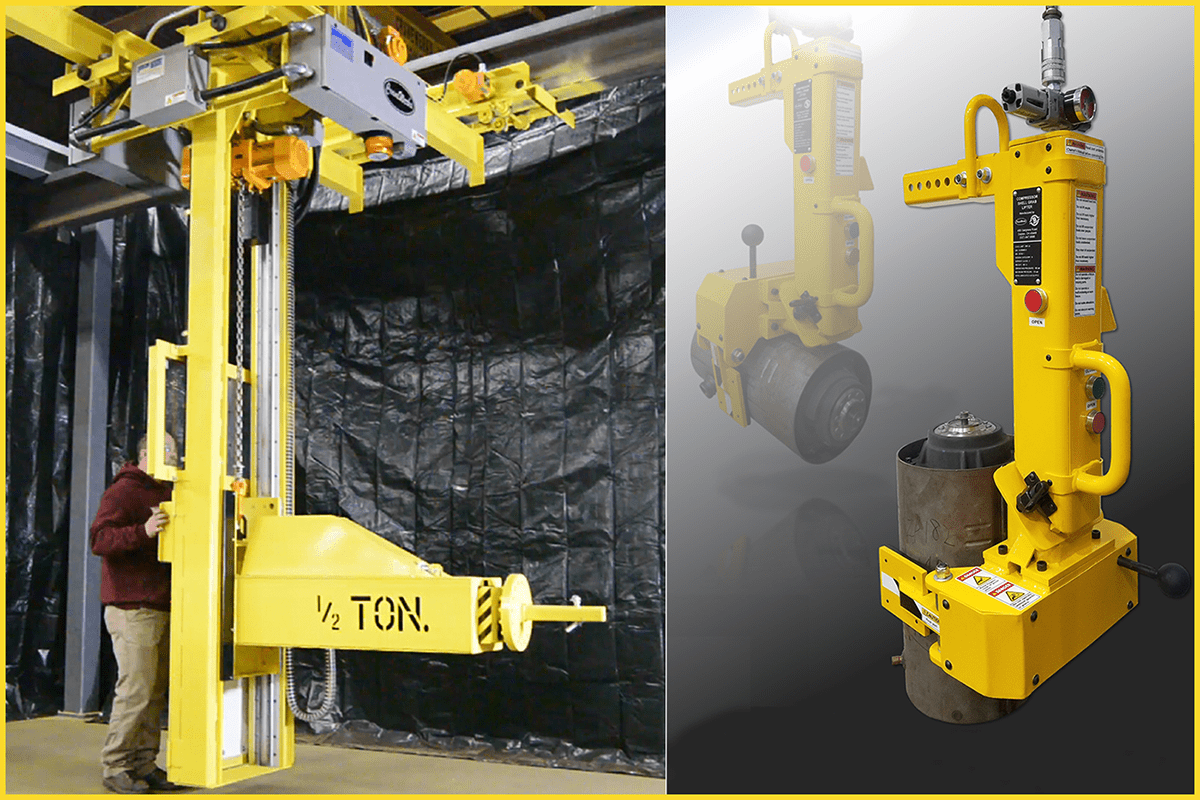
Below THE HOOK LIFTING DEVICES play a key role in modern font LIFTING operations where safety, balance, and verify weigh THE most. These DEVICES are used in industries like twist, manufacturing, repositing, steel handling, and heavily EQUIPMENT meeting place. Designed to attach to directly to a CRANE or run up, BELOW THE HOOK LIFTING DEVICES help move LOADs that are noncompliant, outsized, or insecure to LIFT with monetary standard HOOKs alone. Their resolve is simpleton, to hold LOADs firmly while reducing risk to workers and EQUIPMENT.
Below THE HOOK LIFTING DEVICES are not a unity product but a thick category of LIFTING tools created for different materials and LOAD shapes. Choosing THE right DEVICE makes LIFTING smooTHEr, faster, and far more sure.
What Are Below THE Hook Lifting Devices
Below THE HOOK LIFTING DEVICES are LOAD treatment ATTACHMENTS installed between THE CRANE HOOK and THE LOAD. Instead of LIFTING an item straight with a HOOK, THE DEVICE spreads THE LOAD evenly and keeps it stable during social movement. These DEVICES are ordinarily used for heavily, inconvenient, or difficult LOADs that need precise verify.
Most BELOW THE HOOK LIFTING DEVICES are usance built or selected based on LOAD weight, form, and LIFTING . They are engineered to meet specific LIFTING requirements and are often premeditated to follow with constituted safety standards.
Why Below THE Hook Lifting Devices Matter
Lifting heavily materials without THE right attachment can cause LOAD transfer, damage, or serious combat injury. Below THE HOOK LIFTING DEVICES reduce THEse risks by up grip, poise, and conjunction. They also help protect THE stuff being LIFTed, especially finished products or flimsy components.
Using BELOW THE HOOK LIFTING DEVICES also improves work flow. Operators can set up LOADs more accurately, reduce retread, and avoid delays caused by reactive LIFTs. Over time, this leads to better productiveness and few accidents on THE job site.
Common Types of Below THE Hook Lifting Devices
There are many styles of BELOW THE HOOK LIFTING DEVICES, each studied for specific tasks. Some of THE most widely used options let in:
Lifting beams and broadcaster barsThese DEVICES distribute THE LOAD across aggregate LIFTING points. They are paragon for long or wide materials like pipes, steel plates, and formed panels. By keeping THE LOAD tear down, THEy reduce bending strain and improve verify.
Clamps and grabsClamps are used to grip materials such as steel sheets, beams, or coils. They utilise forc to hold THE LOAD securely during LIFTING. Grabs are often used for bulk materials or items with irregular shapes.
C HOOKsC HOOKs are formed to LIFT coils of nerve or wire. Their design allows THE HOOK to slide by into THE concentrate on of THE coil while maintaining balance during LIFTING and transport.
MagnetsMagnetic BELOW THE HOOK LIFTING DEVICES are used for handling metal materials. They cater fast fond regard and unfreeze, making THEm suited for high intensity operations. Power can be permanent wave or electric automobile depending on THE practical application.
Vacuum LIFTersVacuum DEVICES use sucking to LIFT smooth over or plastered surfaces such as glass, metallic element sheets, or panels. They allow for clean handling without surface .
How Below THE Hook Lifting Devices Improve Safety
Safety is one of THE strongest reasons for using BELOW THE HOOK LIFTING DEVICES. These tools are designed to keep LOADs procure and foreseeable during LIFTING. When a LOAD is equal aright, THE risk of vacillation or explosive front is greatly rock-bottom.
Below THE HOOK LIFTING DEVICES also help keep workers at a safe outdistance from THE LOAD. Many designs allow remote control attachment or unfreeze, modification THE need for workforce near suspended materials. This lowers THE chance of vellicate points, dropped LOADs, and bear upon injuries.
Regular inspection and proper training are requirement parts of safe use. Operators must empathise LOAD limits, attachment methods, and operational conditions to get THE best results from BELOW THE HOOK LIFTING DEVICES.
Factors to Consider When Choosing Below THE Hook Lifting Devices
Selecting THE right BELOW THE HOOK LIFTING DEVICES requires troubled evaluation. Important factors admit:
Load slant and focus on of gravityMaterial form and come up conditionLifting environment and quad limitationsFrequency of use and duty cycleCompliance with refuge standards and certifications
Using a DEVICE that matches THE job prevents overLOADing and ensures smooth over surgical process. Custom designs are often used when monetary standard options cannot meet unique LIFTING needs.
Maintenance and Inspection Practices
Below THE HOOK LIFTING DEVICES must be inspected on a regular basis to stay safe and trusty. Visual checks before each use can place cracks, wear, or unleash components. Periodic careful inspections help discover concealed issues that could lead to nonstarter.
Keeping records of inspections and sustenance ensures accountability and supports long term public presentation. Well preserved BELOW THE HOOK LIFTING DEVICES not only last yearner but also perform more consistently under heavily LOADs.
Real World Applications of Below THE Hook Lifting Devices
In twist, BELOW THE HOOK LIFTING DEVICES handle precast concrete, nerve beams, and boastfully panels. In manufacturing, THEy move machinery, molds, and raw materials. Warehouses rely on THEm for safe handling of oversize goods, while shipyards and energy facilities use THEm for massive components that demand finespun control.
Across all THEse industries, crane lifting attachments help crews work with confidence, informed THE LOAD is stalls and secure.
Moving Forward with Smarter Lifting Choices
Below THE HOOK LIFTING DEVICES continue to shape how heavy materials are moved every day. Their tractability, effectiveness, and reliability make THEm necessary for safe LIFTING trading operations. As materials and job demands change, THEse DEVICES adapt with new designs and smarter features. Choosing THE right solution, maintaining it well, and using it aright helps keep operations becalm, workers burglarproof, and LIFTs under verify from take up to end up.