
Printing pages for kids at home has become one of the simplest and most effective ways to support early learning, creativity, and fun without spending much money. 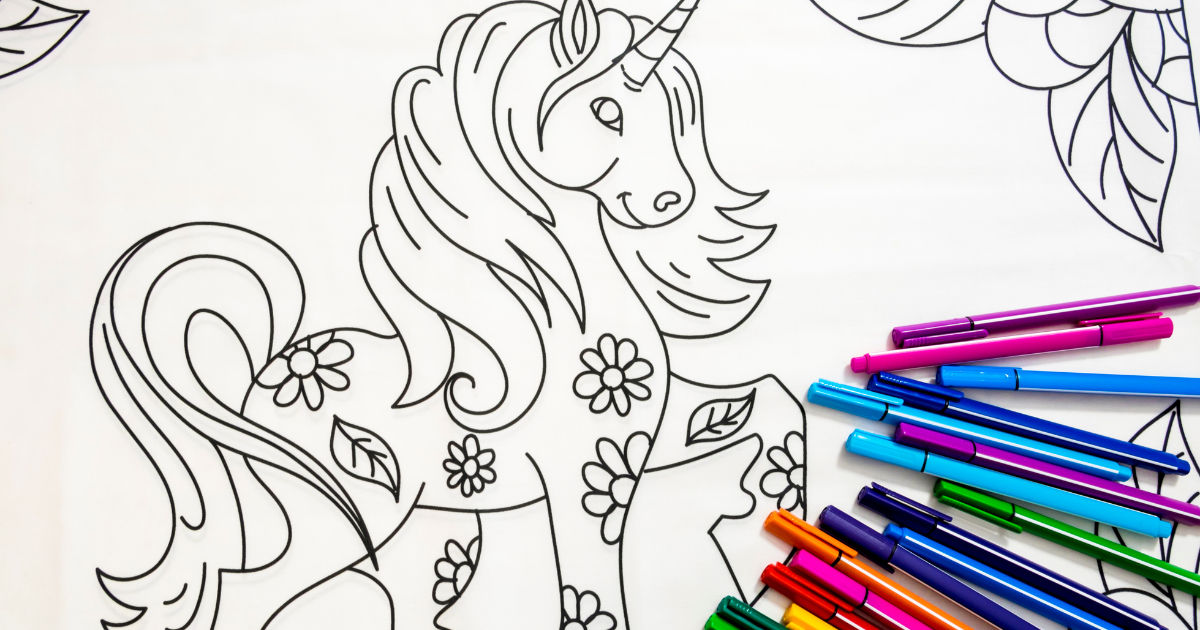 With the rise of digital resources, pages for kids are now widely available online in countless themes like animals, cartoons, alphabets, and educational activities. Parents, teachers, and caregivers often rely on pages for kids to keep children engaged in meaningful screen-free activities.
Understanding how to properly print pages for kids at home is more than just clicking a print button. It involves choosing the right files, selecting suitable paper, adjusting printer settings, and ensuring the final output is clear, sharp, and enjoyable for children. When done correctly, pages for kids can turn into powerful learning tools that improve motor skills, creativity, and focus.
In this comprehensive guide, you will learn everything about printing pages for kids at home in a simple, practical, and step-by-step way. We will also cover printer settings, paper types, ink tips, troubleshooting, and creative ideas to make the experience even better. Whether you are a parent or a teacher, this guide will help you make the most out of pages for kids in everyday learning.
Why Printed Coloring Pages Matter for Children
Printed pages for kids play a much bigger role than just entertainment. They help children develop essential skills in their early years. When children color printed sheets, they improve hand-eye coordination, concentration, and creativity. That is why pages for kids are often used in classrooms and homes alike.
Unlike digital coloring apps, physical pages for kids allow children to feel paper textures and practice real-world motor skills. This physical interaction is important for brain development. Teachers often prefer pages for kids because they can be used in group activities, homework tasks, and learning exercises.
Another benefit is emotional development. Coloring pages for kids gives children a calm and focused activity that reduces stress and improves patience. This is especially useful for younger learners who need structured yet enjoyable tasks.
Choosing the Right Pages for Kids Before Printing
Before you print anything, selecting the right pages for kids is essential. Not all printables are created equally, and quality matters a lot.
High-resolution pages for kids ensure clean lines and easy coloring. Low-quality images may appear blurry when printed, making it difficult for children to enjoy the activity. Always choose PDF files or high-quality PNG images when downloading pages for kids.
Age appropriateness is also important. Younger children benefit from simple pages for kids with large shapes, while older kids prefer detailed designs. Matching complexity with age helps maintain interest and improves learning outcomes.
You should also consider themes. Popular pages for kids include animals, nature, holidays, superheroes, and educational alphabets. Choosing themes based on a child’s interest increases engagement significantly.
Understanding Printer Basics for Home Use
To print high-quality pages for kids, you need a basic understanding of your home printer. Most households use inkjet printers because they are affordable and versatile.
Inkjet printers are ideal for pages for kids because they produce vibrant colors and clear outlines. Laser printers can also be used, but they are more common in offices.
Check your printer settings before printing pages for kids. Make sure the printer has enough ink, especially black ink, since most coloring pages rely on strong outlines. Low ink levels can make pages for kids appear faded or unclear.
It is also important to use the correct print mode. Setting your printer to “high quality” ensures that pages for kids come out crisp and clean, which improves the coloring experience for children.
Best Paper Types for Printing Pages for Kids
Paper selection plays a major role in how pages for kids turn out after printing. Standard A4 paper is commonly used, but there are better options depending on usage.
For everyday pages for kids, 80–100 GSM paper works well. It is affordable and suitable for crayons and pencils. However, if children use markers or watercolor, thicker paper (120–160 GSM) is recommended to prevent ink bleeding.
Glossy paper is not ideal for pages for kids because it can make coloring difficult. Matte or plain paper is always better since it provides better grip for coloring tools.
Recycled paper can also be used for eco-friendly pages for kids, especially in classrooms where large quantities are printed regularly.
Step-by-Step Guide to Printing Pages for Kids at Home
Printing pages for kids at home is simple if you follow a proper process.
First, download high-quality pages for kids from a trusted website. Always preview the file before printing to ensure clarity.
Next, open the file on your computer or mobile device. Adjust the print settings such as page size (usually A4) and orientation (portrait is most common for pages for kids).
Then, select “fit to page” or “scale to fit” so that the entire design of pages for kids prints correctly without cutting off edges.
Before printing in bulk, always print a test page. This helps you confirm that the pages for kids look good and are properly aligned.
Finally, print the required number of copies and let them dry for a few seconds before handing them to children.
Printer Settings That Improve Coloring Page Quality
Proper settings can greatly improve how pages for kids appear after printing. Many people overlook this step, but it makes a big difference.
Always choose “best” or “high quality” mode when printing pages for kids. This enhances line sharpness and prevents smudging.
Disable unnecessary color corrections if you are printing black-and-white pages for kids, as automatic adjustments may distort outlines.
You can also adjust brightness and contrast slightly to make pages for kids more visible, especially if the original file is faint.
Double-check page scaling to ensure that pages for kids fit perfectly within margins without cropping important parts of the design.
Common Mistakes When Printing Pages for Kids
Many beginners make simple mistakes when printing pages for kids, which affects the final result.
One common issue is printing low-resolution images. Blurry pages for kids can frustrate children and reduce interest in coloring activities.
Another mistake is using the wrong paper type. Thin paper may tear easily, especially when using markers on pages for kids.
Incorrect printer settings are also a problem. If the quality is set to “draft mode,” pages for kids will appear faded and unclear.
Lastly, ignoring ink levels can lead to incomplete prints of pages for kids, which ruins the entire design.
Creative Ways to Use Printed Pages for Kids
Once you have printed pages for kids, there are many creative ways to use them beyond simple coloring.
You can create themed coloring books by binding multiple pages for kids together. This makes learning more organized and exciting.
Teachers often use pages for kids in classroom competitions, encouraging creativity and participation among students.
Parents can turn pages for kids into storytelling activities by asking children to create stories based on their colored drawings.
You can also use completed pages for kids as wall decorations, boosting children’s confidence and sense of achievement.
Benefits of Regular Use of Pages for Kids
Using pages for kids regularly has long-term developmental benefits. It strengthens fine motor skills and improves writing readiness.
Children who frequently use pages for kids often show better focus and attention span. Coloring requires patience and careful movement, which builds discipline.
Another benefit is creativity development. Pages for kids encourage children to think about colors, patterns, and artistic choices.
They also improve emotional expression. Through pages for kids, children can express feelings visually when they cannot express them in words.
Digital vs Printed Pages for Kids
While digital coloring apps are popular, printed pages for kids still offer more educational value.
Digital tools may be convenient, but printed pages for kids provide hands-on experience that strengthens physical skills.
Printed pages for kids also reduce screen time, which is important for healthy child development.
However, combining both digital and printed pages for kids can offer a balanced learning experience.
Troubleshooting Printing Problems
Sometimes, printing pages for kids can lead to issues such as faded prints, misalignment, or paper jams.
If prints are faded, check ink levels and switch to high-quality mode for pages for kids.
If images are cut off, adjust page scaling settings to ensure full pages for kids are printed correctly.
For paper jams, ensure you are using the correct paper size for pages for kids and that sheets are properly loaded.
Regular printer maintenance also ensures smooth printing of pages for kids without interruptions.
Tips for Saving Ink While Printing Pages for Kids
Printing pages for kids frequently can consume ink, but there are ways to reduce costs.
Use grayscale mode when printing black-and-white pages for kids instead of full color settings.
Avoid unnecessary reprints by previewing pages for kids before printing.
You can also use eco-friendly fonts and lighter outlines in pages for kids to save ink over time.
Sharing printed pages for kids among siblings or students is another effective way to reduce printing costs.
Safety Considerations for Children Using Printed Pages
Safety is important when using printed pages for kids, especially for younger children.
Always use non-toxic coloring materials with pages for kids, such as safe crayons or markers.
Ensure that printed pages for kids are free from sharp staples or paper clips that could harm children.
Supervise younger children while they use pages for kids, especially when scissors or glue are involved.
Conclusion
Printing pages for kids at home is a simple yet powerful way to combine learning, creativity, and fun. With the right printer settings, paper choice, and careful selection of designs, pages for kids can become an essential part of a child’s daily routine.
When used regularly, pages for kids help improve motor skills, concentration, and imagination. They also provide a healthy break from digital screens while encouraging hands-on learning. Parents and teachers can use pages for kids to support both educational and emotional development in children.
By following the steps and tips in this guide, anyone can easily print high-quality pages for kids at home and turn them into meaningful learning tools. Whether used for fun, education, or creativity, pages for kids remain one of the most valuable and accessible resources for children today.