
Introduction: A Shop Moment, Some Numbers, and One Question
I was in a small job shop last spring when a simple day run turned into a full stop — the spindle alarm blinked and everyone held their breath. CNC machine service was already on the schedule that week, but nothing prepared us for the ripple effect that one stalled part can cause. Around 40% of unexpected downtime in small shops traces back to avoidable service misses (that’s real shop math). So what should you do first when the line halts and the clock keeps ticking?
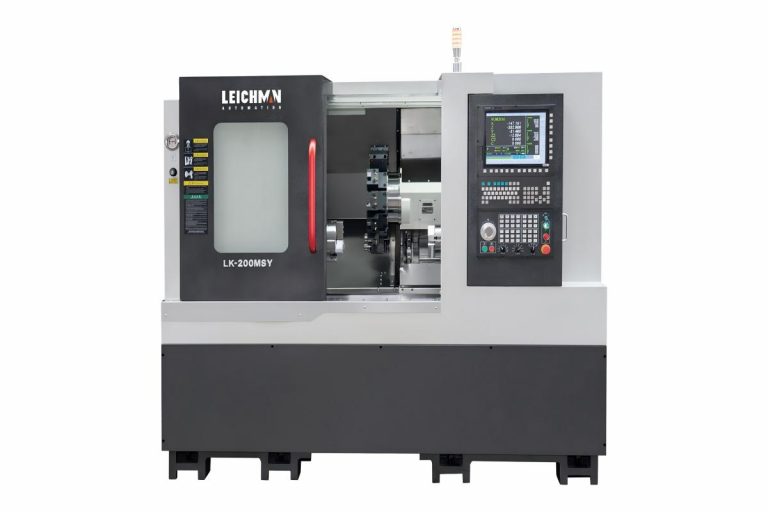
I tell folks to pause, look at the basics, and then ask: is this a control, a mechanical, or a fixturing issue? I like to keep things plain. The shop that day needed a quick plan: check the tooling, verify G-code, and confirm the coolant. (Yes — even the simplest checks get skipped when pressure rises.) We stayed calm, worked through the checklist, and bumped the job back into motion. That kind of steady problem-solving is what I want to share here — practical, direct, and usable for your next service call. Next, let’s dig into why the usual fixes often miss the mark and what you can do differently.
Why Common Fixes Miss the Mark — Hidden Flaws in Traditional Service
automated cnc machining services promise speed and repeatability, but I’ve seen them undercut by small, predictable problems. Too often shops lean on a quick reboot or a single parts swap and call it fixed. That approach treats symptoms, not causes. In my view, the real trouble sits deeper: miscalibrated tool offsets, worn servo motors, and unnoticed tolerance creep. These are the kinds of issues the daily checklist misses. Look, it’s simpler than you think — but it takes discipline.
What usually breaks down?
First, control resets can hide G-code glitches. Second, mechanical wear (spindle bearings, belt tension) shows as runtime drift. Third, fixturing errors produce scrap long before they produce alarms. We’ve fixed long-standing jams by replacing a cheap fixture rather than chasing control bugs. In practice, a layered inspection works best: verify the program, then the motion system, then the fixture and tooling. I’m prone to dig into spindle load logs and servo feedback. That’s where the truth lives — not in a single alarm code. — funny how that works, right?
Looking Forward: Future-Proofing Your Shop and Choosing Better Partners
When I think about what comes next, I focus on resilience. That means better monitoring, smarter maintenance, and partners who get shop life. For many shops, the first step is asking better questions when you search for help — for example, when you look up cnc companies near me, ask whether they analyze spindle load trends or offer fixture audits. Those capabilities matter more than a quick parts swap.
What’s Next for small shops?
New tech helps: simple condition monitoring, basic edge data collection, and scheduled preventive service prevent the small failures that cause big downtime. I’m not talking about fancy AI dashboards. Start small — vibration checks, torque readings, tighter tool-change protocols. Then layer in predictive checks when you can. Case in point: a shop I worked with reduced unplanned stops by half after instituting weekly spindle checks and a torque log for tool holders. The gains were plain to see and repeatable.
Before you pick a partner, here are three metrics I use and recommend you consider: 1) Mean Time to Repair (MTTR) — how fast they actually fix the machine; 2) First-Time Fix Rate — do they bring the right parts and knowledge the first visit; 3) Uptime Improvement Guarantee — can they show past results. Test these during the first call. Ask for samples. Compare. I’ll say it straight: I want to work with teams who measure outcomes, not just hours. — and yes, you’ll notice the difference on your floor.
We’ve covered the immediate scene, the hidden faults, and the next steps to get ahead. If you want one last tip from my experience: budget for the small inspections. They cost less than a week of lost production. For practical help and service options, I trust and recommend looking at Leichman when you need a partner that understands both the machine and the shop.