
Traditional fashion carries stories, memories, values, and craftsmanship passed down through generations. When we explore the world of female cloths, we are not just studying garments—we are stepping into cultural history, artistic expression, and the evolution of identity.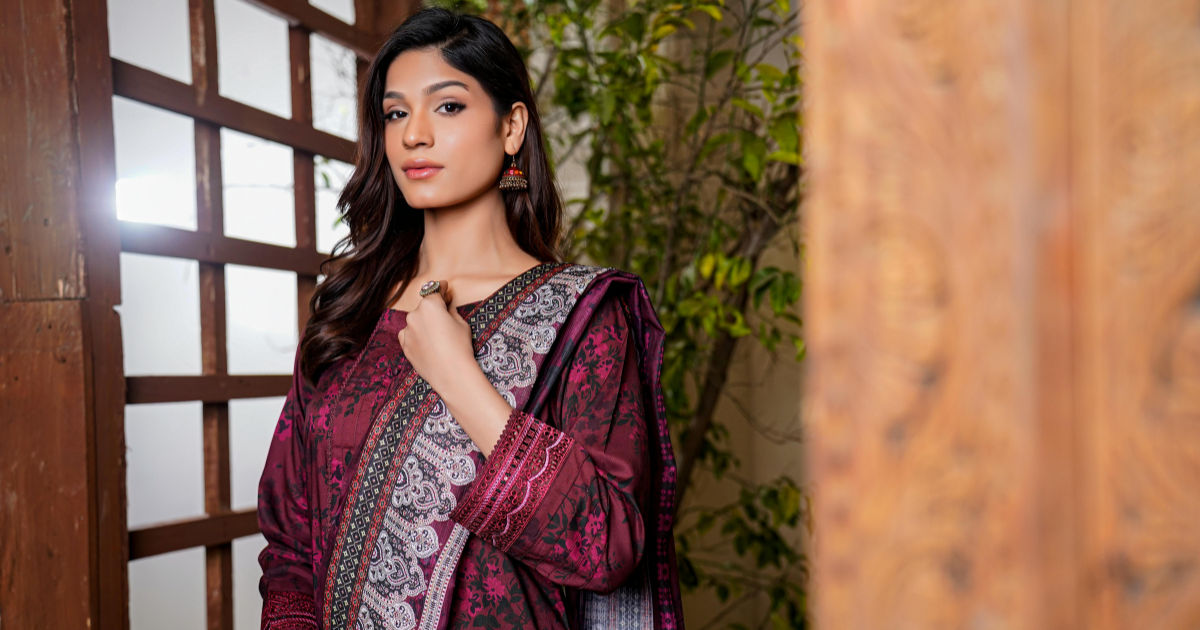
Traditional styles in female cloths remain relevant because they blend heritage with practical beauty. They influence modern trends, inspire designers, and help communities preserve their uniqueness in a rapidly globalizing world.
This comprehensive guide explores the foundations, regional variations, cultural meanings, craftsmanship, and modern reinterpretations of traditional styles in female cloths. By the end, you will understand how these garments connect the past to the present and why they continue to influence global fashion.
Understanding the Foundations of Traditional Clothing
Traditional styles in female cloths are shaped by geography, climate, beliefs, and available materials. Each piece of clothing carries intention. Whether it is embroidery that symbolizes protection, colors that express celebration, or silhouettes that reflect a way of life, traditional female cloths represent cultural DNA.
Traditional female cloths emerged from practical needs. In colder climates, heavy fabrics and layered skirts offered warmth. In tropical regions, light cotton garments provided comfort. Over time, these practical forms became symbols of identity and artistry, turning everyday wear into cultural treasures.
Another foundational element of traditional female cloths is their strong connection to social structure. Clothing communicates marital status, community belonging, wealth, and even spirituality. This gives traditional female cloths a social role that goes beyond aesthetics.
The Cultural Significance Behind Traditional Clothing
Traditional female cloths often reflect important cultural beliefs. Patterns may represent fertility, prosperity, courage, or protection. Colors carry symbolic meaning—for instance, red is widely used for celebration, while white may represent purity or mourning depending on the region.
Traditional female cloths also highlight craftsmanship. Hand weaving, dyeing, and embroidery showcase skills passed through generations. Many artisans spend years mastering techniques, and each region customizes its process. This makes traditional female cloths not only garments but also cultural artifacts.
In many societies, traditional female cloths are worn during festivals, weddings, and sacred ceremonies. They help communities honor their past and maintain rituals that strengthen identity. Even as modern fashion evolves, these garments continue to represent deep roots.
Regional Influences on Traditional Styles
Different regions of the world contribute unique forms of traditional female cloths. These designs highlight climate, materials, and cultural values.
Traditional Clothing in Asia
Asia is known for its diverse and elaborate traditional female cloths. The Japanese kimono reflects elegance in its long sleeves and layered structure. In China, the qipao emphasizes clean lines and high collars, blending tradition and grace. South Asia offers richly decorated saris, lehengas, and shalwar kameez sets, each known for vibrant colors and intricate embroidery.
Many Asian traditional female cloths use silk, brocade, and hand-woven textiles, giving them luxurious appeal. These garments highlight femininity, celebration, and deep respect for cultural heritage.
Traditional Clothing in Africa
African traditional female cloths are bold, expressive, and symbolic. Materials such as kente, mud cloth, and ankara showcase striking patterns and vivid colors. In West Africa, women wear elaborate wrappers and matching head ties. In East Africa, the kanga and khanga display printed messages, turning fashion into storytelling.
African traditional female cloths often serve as symbols of unity, heritage, and empowerment. Patterns can signal status, lineage, or community traditions.
Traditional Clothing in Europe
Europe offers centuries of textile history influencing traditional female cloths. Scandinavian cultures favor wool garments and embroidered aprons. In Eastern Europe, folk dresses feature floral motifs and colorful ribbons. The Spanish flamenco dress embodies rhythmic movement and dramatic flair.
European traditional female cloths often combine practicality with regional expression. Heavy fabrics were common in colder climates, while Mediterranean regions embraced lighter materials.
Traditional Clothing in the Americas
Indigenous communities across North and South America contribute beautiful styles of traditional female cloths. Ponchos, huipils, and ribbon skirts feature hand-woven fabrics, natural dyes, and sacred patterns. These garments often honor nature, spirituality, and ancestral traditions.
American traditional female cloths reflect a connection to land, community, and ritual practices passed down for centuries.
Key Elements That Define Traditional Female Clothing
Traditional female cloths share several common elements, even when designs differ across cultures.
Fabrics and Materials
Common traditional fabrics include cotton, silk, wool, linen, and handcrafted textiles. Some regions use plant-based dyes, while others rely on mineral pigments. The texture and weight of fabrics reflect local climate and available resources.
Decorative Techniques
Embroidery, beadwork, applique, and weaving are essential to traditional female cloths. These techniques add personality and cultural meaning. Some motifs represent protection, others represent joy or prosperity.
Color Symbolism
Traditional female cloths often use color intentionally. Red, gold, and blue appear frequently in ceremonial garments. Earth tones dominate everyday wear in many regions due to natural dyes.
Silhouettes and Structure
Some cultures prefer fitted clothing, while others favor loose and flowing designs. Skirts, tunics, wraps, shawls, and robes all appear in traditional female cloths, depending on customs and environment.
The Evolution of Traditional Styles
As societies evolve, so do traditional female cloths. Younger generations embrace modified designs that maintain cultural essence while adapting to modern lifestyles. This evolution brings traditional styles into everyday fashion.
Contemporary designers also incorporate traditional patterns and fabrics into global fashion. This blend keeps traditional female cloths relevant and helps preserve heritage in a rapidly changing world.
Modern versions may shorten lengths, simplify embroidery, or use modern fabrics, yet they maintain cultural roots. These adaptations allow traditional female cloths to reach wider audiences.
Traditional Clothing and Identity
Traditional female cloths are powerful symbols of cultural identity. Wearing them is often an act of pride, connection, and remembrance. They connect individuals to ancestors, community values, and shared experiences.
In multicultural societies, traditional female cloths can help preserve identity. They become educational tools for younger generations, who learn stories behind patterns, colors, and styles.
Wearing traditional female cloths during festivals and ceremonies reinforces unity, celebrates heritage, and keeps traditions alive.
Popular Examples of Traditional Female Clothing
The world is filled with iconic traditional female cloths that remain influential today.
-
The Indian sari represents elegance and cultural diversity.
-
The Korean hanbok highlights harmony and grace.
-
The Mexican huipil showcases vibrant colors and meaningful embroidery.
-
The Moroccan kaftan blends modesty with decorative beauty.
-
The Ghanaian kente cloth symbolizes royalty and community pride.
Each of these traditional female cloths offers a unique cultural experience and continues to inspire modern fashion.
Preserving Craftsmanship and Heritage
Craftsmanship is the backbone of traditional female cloths. Many techniques require years of practice. Hand weaving, spinning, dyeing, and embroidery are forms of art that risk being lost if not passed to future generations.
Organizations and artisans now work to maintain these traditions by teaching young learners, opening textile schools, and holding cultural festivals. These efforts ensure that traditional female cloths remain part of global heritage.
Many consumers today also choose handcrafted traditional female cloths to support ethical fashion, sustainability, and cultural preservation.
Modern Adaptations of Traditional Styles
Modern fashion designers increasingly incorporate elements of traditional female cloths into contemporary collections. They use traditional patterns on modern silhouettes, re-imagine classic garments with new fabrics, and introduce cultural motifs into everyday clothing.
This fusion makes traditional female cloths accessible to younger audiences who appreciate both cultural roots and modern aesthetics. It also strengthens cross-cultural appreciation.
Examples include pairing embroidered tops with jeans, modern kimono jackets, or re-designed saris with minimalist draping. These updates help traditional female cloths evolve while honoring their origins.
Traditional Clothing in Global Fashion
Traditional female cloths continue to shape global trends. Runway designers frequently draw inspiration from indigenous textiles and folk patterns. Cultural motifs appear in accessories, dresses, and jackets, blending history with innovation.
This global influence showcases the timeless beauty of traditional female cloths and highlights the connection between cultural heritage and modern creativity.
The Role of Traditional Clothing in Modern Celebrations
Weddings, festivals, religious events, and national holidays often encourage the use of traditional female cloths. Brides choose garments that honor ancestors. Communities wear matching outfits to express unity. Ceremonial clothing adds richness and symbolism to important life events.
These practices keep the legacy of traditional female cloths alive and meaningful.
A Practical Guide to Wearing Traditional Clothing Today
Anyone can respectfully wear traditional female cloths by understanding their cultural meaning and choosing appropriate occasions. Learning the history behind the garments shows appreciation and prevents misuse.
Accessorizing traditional female cloths with simple jewelry, comfortable shoes, and subtle makeup allows the garment itself to stand out. Choosing handmade pieces supports artisans who dedicate their lives to preserving traditions.
Proper storage is also important. Many traditional female cloths use delicate fabrics that require careful handling.
The Importance of Cultural Respect
When wearing or purchasing traditional female cloths, cultural respect must always come first. Understanding symbolism, avoiding misrepresentation, and acknowledging the origins of each garment prevents cultural harm.
Traditional female cloths are treasures of heritage. Treating them with respect ensures they are celebrated rather than commercialized.
Future of Traditional Female Clothing
As society moves forward, traditional female cloths continue to play a vital role in preserving cultural identity and inspiring modern fashion. Digital platforms allow artisans to reach global audiences. Sustainability movements encourage people to buy handmade garments. Younger designers find hidden beauty in ancient techniques.
The future of traditional female cloths is bright because people increasingly value authenticity, heritage, and craftsmanship.
Conclusion
Traditional styles in female cloths carry stories that connect communities across generations. They express identity, values, beliefs, and artistry. From Asia to Africa, Europe to the Americas, traditional female cloths showcase the beauty of diversity and cultural expression.
These garments are more than fabric—they are living history. Understanding their meaning allows us to appreciate the creativity and wisdom of past generations. Modern fashion may evolve, but the influence of traditional female cloths remains strong. Designers reinterpret them, communities celebrate them, and individuals across the world cherish them for their cultural power.
By valuing traditional female cloths, we help preserve heritage, support artisans, and celebrate global diversity. This ensures that the beauty, meaning, and craftsmanship behind traditional styles continue to inspire future generations.