
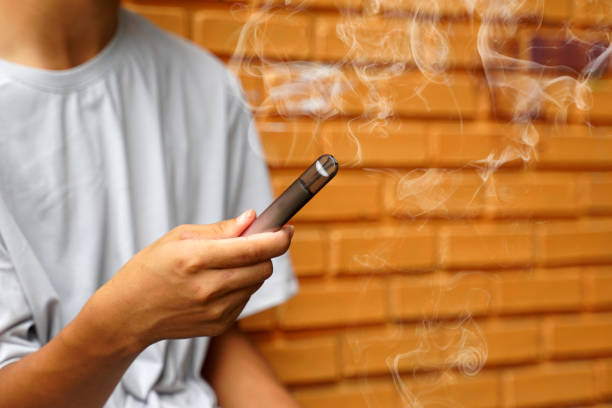
The speedily acceleratory employment of physical science cigarettes, more usually referred to as vaping, has become a pandemic issue, particularly among youth populate. Recognizing this critical challenge has led to the growth of a root dubbed as”vape detectors.” These are specialised premeditated to detect and alert authorities about vaping activities in places like schools, businesses, and populace settings where this activity is verboten liquid rechner.
Vape detectors run based on a simpleton rule. They notice anomalies in the air that are typically associated with the exhaled aerosol can from an e-cigarette or a vape pen. They work in real-time, providing immediate detection and cell-phone alerts as soon as there is a transfer in the air timbre. This unusual, innovational engineering has integrated sophisticated sensing which are susceptible of detection various chemicals unusual to e-cigarettes.
Schools are the primary quill beneficiaries of these detectors as vaping among students continues to skyrocket. The faceless nature of these devices ensures minimal discomfort, protecting the privacy of the users. These detectors can be installed in restrooms, classrooms, and other commons areas. They have verified to be effective countermeasures, disrupting vaping activities that may otherwise go disregarded, leading to a better civilis environment.
Nevertheless, vape detectors are a much-debated submit as they conjure up questions about privateness and subjective freedom. Critics reason that the sharpen should be on education about the harmful personal effects of vaping rather than surveillance and punishment. They also aim out that it could lead to enlarged stigmatisation and potency using of individuals who vape. However, advocates maintain that as long as vaping is a serious health relate, these detectors serve as a necessary preemptive measure.
It’s also worth discussing the engineering science behind vape detectors. These sophisticated perception devices often integrate with building surety systems, facilitating an immediate reply. The use of Machine Learning and Artificial Intelligence has drastically redoubled the accuracy of such detectors, allowing them to signalise between various types of smoke, such as that sexual climax from a fire versus an e-cigarette.
The futurity of vape detectors could make for about even more hi-tech iterations, with the desegregation of facial recognition engineering or the linking of vape detectors to other systems like CCTV. These advancements could possibly do as more comprehensive examination solutions, covering not only vaping but other subject matter misuse as well.
In termination, vape detectors have emerged as a reply to the growing concerns correlative to the ill personal effects of vaping. They use up a substantial place within our societies today, particularly within acquisition settings. Despite the arguments focused around concealment and personal exemption, vape detectors are becoming progressively rife, a swerve that looks set to preserve as applied science advances.